
clear glass sheet price
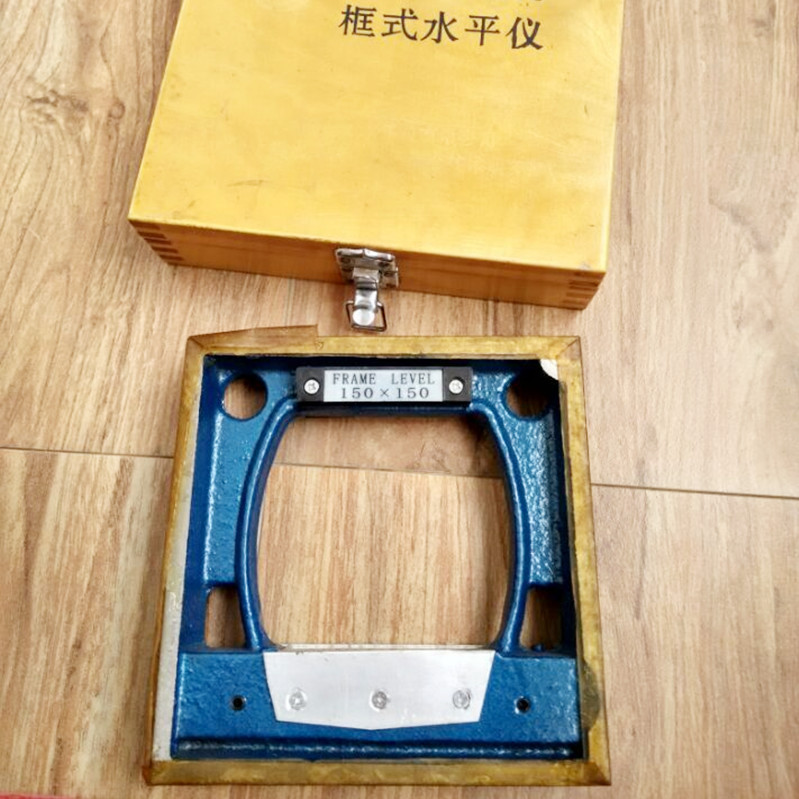
Tasomittari – Tasonhallinnan Työkalu Tasomittari, eli level ruler, on tärkeä työkalu monilla eri aloilla, kuten rakennusteollisuudessa, insinöörityössä ja jopa arkkitehtuurissa . Se on suunniteltu auttamaan käyttäjiä mittaamaan ja hallitsemaan tasoja tarkasti. Tämä artikkeli käsittelee tasomittarin käyttöä, sen hyötyjä ja erilaisia malleja. Tasomittarin perusidea on yksinkertainen se tarjoaa tarkan tason määrittämisen, joko horisontaalisesti tai vertikaalisesti. Perinteisissä tasomittareissa on usein pitkä, suora muoto, jossa on vesitasonäyttö, joka auttaa käyttäjää arvioimaan, onko pinta tasainen. Nykyaikaiset tasomittarit, kuten laseritasomittarit, tarjoavat vielä tarkempaa mittausta ja helpompaa käyttöä; ne projisoivat laserlinjan, jonka avulla voit tarkistaa tason paljon laajemmalta alueelta. Tasomittarin käyttö on ehdottoman tärkeää rakennusprojekteissa. Esimerkiksi seinien, lattioiden ja kattojen rakentamisessa on välttämätöntä varmistaa, että ne ovat oikeassa tasossa. Jos yksi osa rakennuksesta on epätasainen, se voi aiheuttaa ongelmia pitkällä aikavälillä, kuten vesivuotoja, rakenteellisia vaurioita tai jopa turvallisuusongelmia. Tasomittarin avulla rakentajat voivat estää tällaisia ongelmia ennen kuin ne ilmenevät. level ruler Yksi tasomittarin suurista eduista on sen käyttäjäystävällisyys. Vaikka se vaatii jonkin verran taitoa ja kokemusta, perustason opettaminen on melko helppoa. Useimmat ihmiset pystyvät oppimaan käyttämään perinteistä tasomittaria nopeasti, kun taas laseritasomittarit voivat vaatia hieman enemmän perehtymistä, mutta niiden käyttö on yhä suoraviivaista. Erilaisia tasomittareita löytyy markkinoilta useita, ja niiden valinta riippuu pitkälti käyttäjän tarpeista. Perinteiset vesitasot ovat edelleen suosittuja, koska ne ovat edullisia ja suhteellisen kestäviä. Laseritasot tarjoavat kuitenkin huomattavasti enemmän tarkkuutta ja joustavuutta, ja ne ovat erityisen hyödyllisiä suuremmissa projekteissa, joissa mittausten on oltava mahdollisimman tarkkoja. Tasomittarin merkitystä ei voi aliarvioida. Se on työkalu, joka mahdollistaa tarkkuuden, tehokkuuden ja ennen kaikkea turvallisuuden. Rakennusalan ammattilaiset tietävät, että hyvä perusta alkaa tarkasta tasonmittauksesta, ja siksi tasomittari on yksi heidän tärkeimmistä välineistään. Lopuksi voidaan todeta, että tasomittarit ovat välttämätön osa jokaisen rakennusprojektin onnistumista. Ne auttavat varmistamaan, että jokainen elementti on paikoillaan ja kutsuu rakentajia, arkkitehtejä ja insinöörejä mukanaan matkaansa tarkkuuden ja laadun maailmaan. Ammattiosaajat hyödyntävät niitä päivittäin, ja niiden merkitys vain kasvaa, kun rakennusprojektit muuttuvat yhä vaativimmiksi. Tasomittarit – yksinkertainen mutta tehokas työkalu, joka tekee ihmeitä tasojen hallinnassa.
about
clear glass sheet price
Understanding Level Supplier Relationships in Supply Chain Management In today's dynamic business environment, the concept of level suppliers has gained significant traction within supply chain management. Level suppliers refer to the different tiers of suppliers that contribute to the production and delivery of a product or service. Understanding the structure and dynamics of these relationships is crucial for companies seeking to optimize their supply chains and improve overall operational efficiency. The Importance of Level Suppliers At the core of supply chain dynamics lies a network of suppliers that can be categorized into various levels. Level 1 suppliers are typically direct suppliers, providing raw materials or components directly to manufacturers. Level 2 suppliers, on the other hand, supply products or services to Level 1 suppliers. This hierarchy continues with Level 3 suppliers and beyond, forming a multi-tier supply chain. The significance of understanding these levels cannot be overstated. Each tier plays a vital role in delivering the final product to consumers. By analyzing the entire supplier hierarchy, organizations can identify potential risks, manage costs, and maintain quality control throughout the supply chain. This holistic view allows businesses to anticipate disruptions and implement strategic measures to mitigate them, ensuring greater resilience in the face of uncertainty. Building Strong Relationships Establishing solid relationships with level suppliers is an essential strategy for sustainable growth. Communication, collaboration, and trust are paramount in creating a robust supplier network . Companies must engage with their suppliers regularly to understand their capabilities, challenges, and contributions to the overall supply chain. Moreover, collaboration with Level 2 and Level 3 suppliers can foster innovation and efficiency. For instance, manufacturers can work closely with their suppliers to co-develop new technologies or materials that can enhance product quality or reduce costs. By involving suppliers in the product development process, businesses can leverage the expertise of their partners while building a sense of loyalty and commitment. level supplier Risk Management and Supply Chain Resilience The interconnectedness of level suppliers introduces multiple layers of risk within the supply chain. Natural disasters, geopolitical tensions, economic fluctuations, and other unforeseen events can disrupt operations at various levels. As such, companies must adopt a proactive approach to risk management. Diversifying the supplier base is one effective strategy to mitigate risks. By engaging multiple suppliers at different levels, businesses can ensure a steady supply of materials and components, even if one supplier faces challenges. Additionally, implementing technology solutions like supply chain visibility tools can help organizations monitor and assess the health of their supply chain, enabling them to react swiftly to potential disruptions. Cost Efficiency and Sustainability Level supplier management also presents opportunities for cost efficiency. By analyzing the performance and capabilities of suppliers across different levels, businesses can negotiate better terms, reduce lead times, and optimize inventory management. This approach not only lowers costs but also enhances the overall agility of the supply chain. Moreover, sustainability is becoming an increasingly important consideration in supplier relationships. Companies are now looking to partner with suppliers who adhere to sustainable practices, such as responsible sourcing and eco-friendly manufacturing processes. Incorporating sustainability into supplier selection criteria not only benefits the environment but also improves brand reputation and appeal to increasingly conscious consumers. Conclusion In conclusion, the concept of level suppliers is integral to effective supply chain management. By understanding the layers of supplier relationships, building strong partnerships, managing risks, and pursuing cost efficiencies and sustainability, organizations can enhance their supply chain performance. Companies that prioritize these aspects will be better positioned to navigate the complexities of modern supply chains, ensuring long-term success in an ever-evolving marketplace. Embracing level supplier strategies is not just a tactical choice; it is a fundamental element of a resilient and forward-thinking business approach.
-

High quality industrial productsagement

High quality industrial products
View Details -

Meet the diverse needs of customers

Meet the diverse needs of customers
View Details -

Strict quality control

Strict quality control
View Details -

Top raw materials

Top raw materials
View Details -

Trusted supplier

Trusted supplier
View Details
Our application
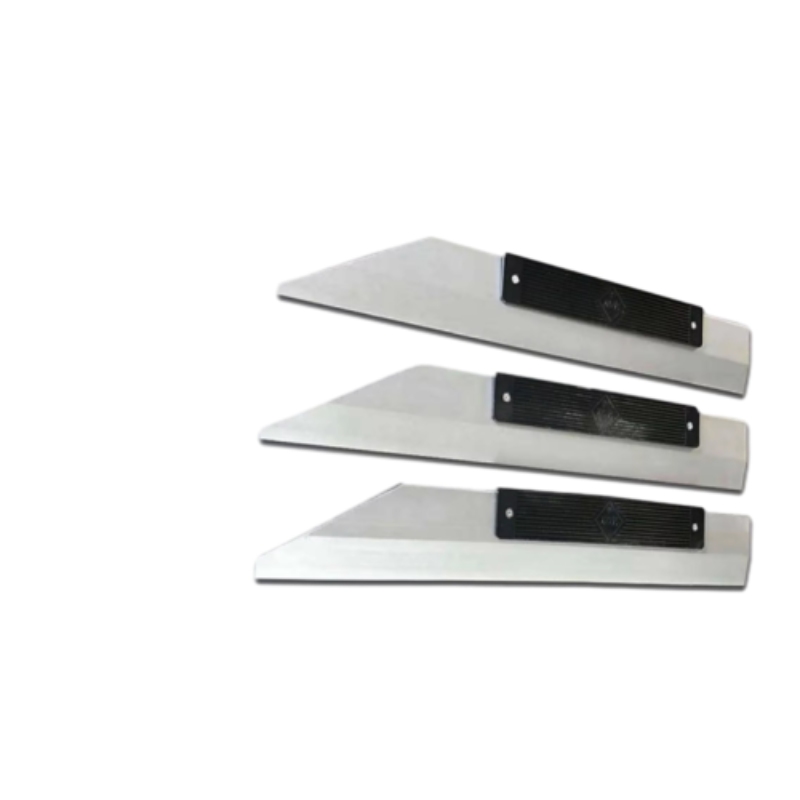
news and information
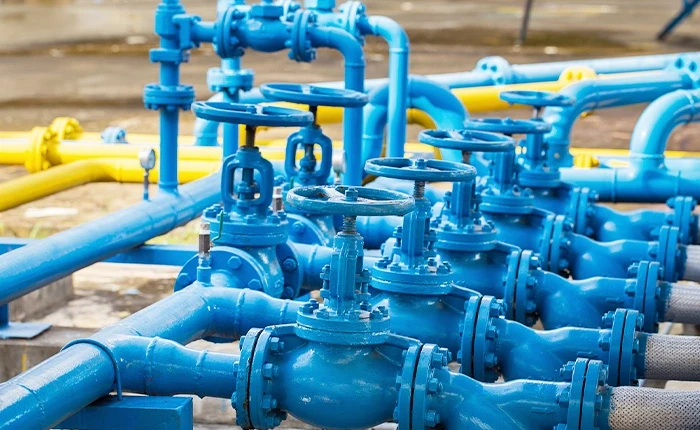
What is the Use of a Thread Ring Gauge_
When it comes to precision in manufacturing and quality control, ensuring the accuracy of threads is
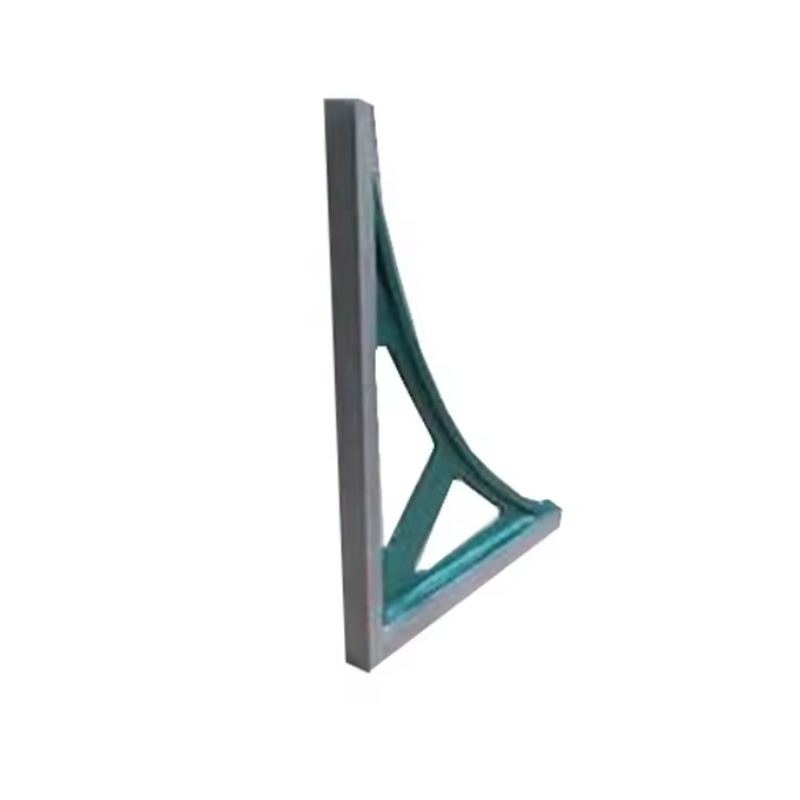
Versatile Welding Table for Modular Fabrication and Assembly Projects
The Modular Welding Table Enhancing Efficiency in Metal Fabrication Welding is a critical process in
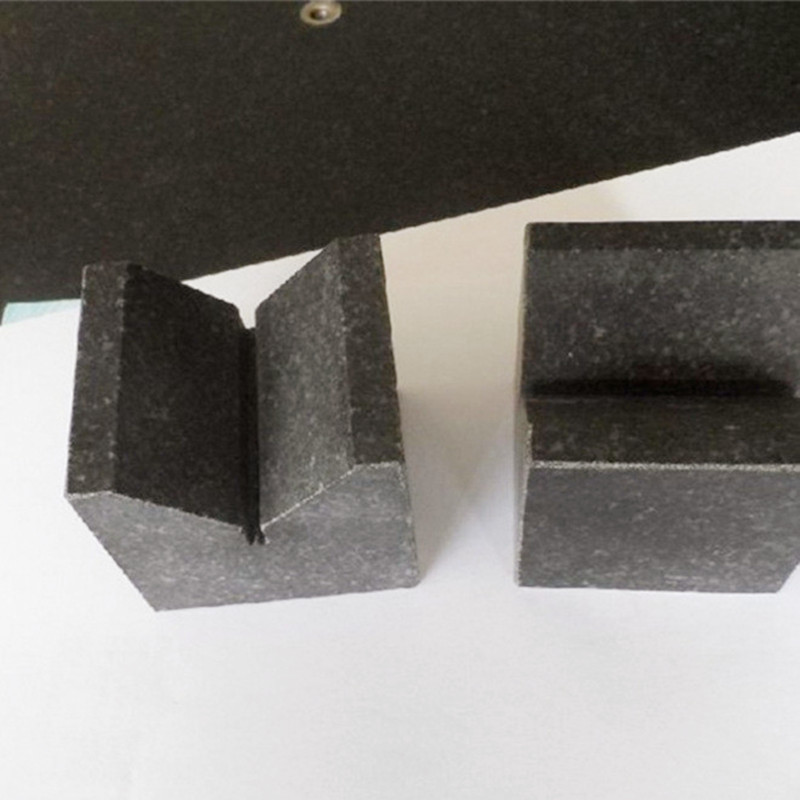
Versatile Portable Welding Table for Convenient and Efficient Metal Projects
The Versatility and Importance of Portable Welding Tables In the realm of metalworking, welding stan
 English